What Does ET (Offset) Mean in Rims and Why Does It Matter?
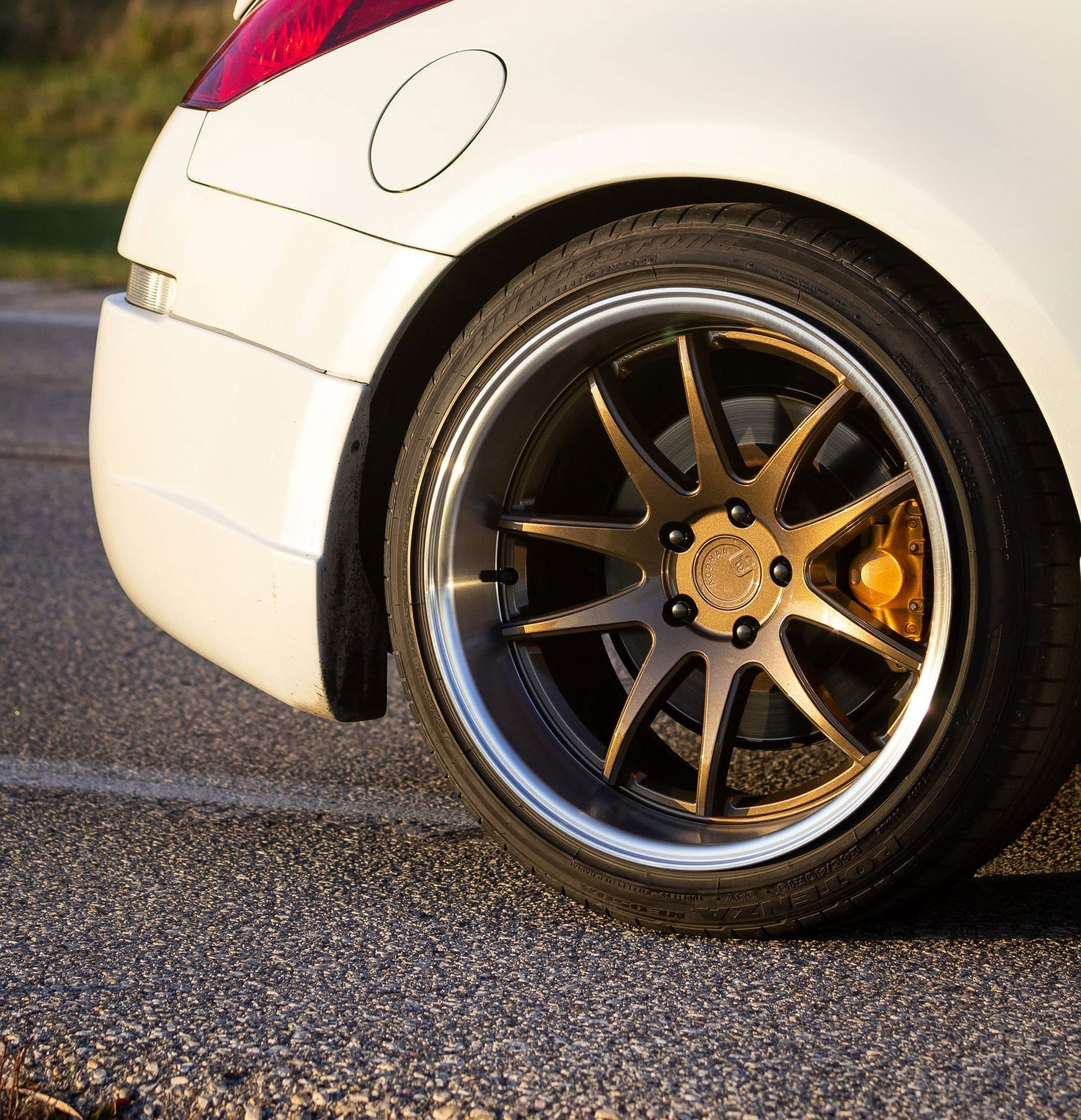
What Does ET (Offset) Mean for Wheels and Why Does It Matter?
When choosing wheels for your car, one of the most important parameters you need to understand is the ET or offset of the wheels. Although at first glance it may seem like an unimportant technical detail, choosing the correct offset directly influences the vehicle's safety, handling and performance . In this article, we will explain what ET (offset)is, how it affects the fitting of wheels on the car and why it matters so much in choosing the right wheels.
What Is ET (Offset) on Wheels?
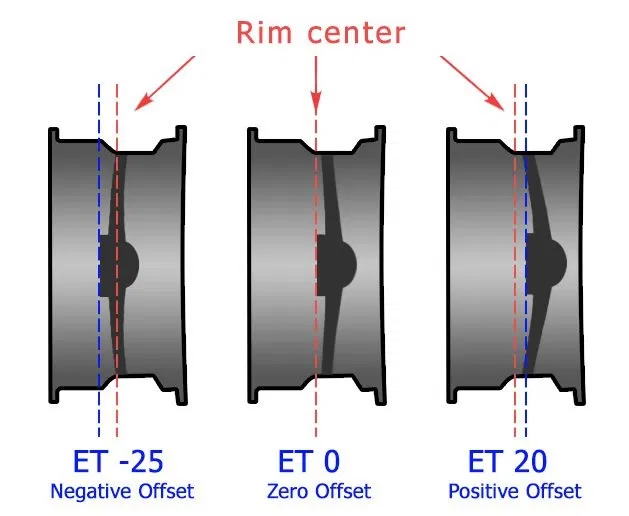
ET, also known as offset, represents the distance in millimeters between the theoretical center of the wheel and its mounting surface on the car's hub. In practice, it is a measurement that indicates how far from or close to the outside of the vehicle's fender the wheel will sit after mounting.
ET is expressed in millimeters and can be:
- Negative ET (Negative offset) – The mounting surface is positioned behind the wheel's center (toward the inside of the vehicle).
- Zero ET – The wheel's mounting surface coincides with its theoretical center.
- Positive ET (Positive offset) – The wheel's mounting surface is positioned in front of the wheel's center (toward the outside of the vehicle).
Why Does Wheel ET Matter?
ET is an essential parameter because it directly affects how the wheels fit on the car and how they interact with other vehicle components, such as the suspension system, brakes and fenders. Having wheels with the correct ET is important to avoid handling problems, premature tire wear or even suspension damage.
Types of Offset and Their Impact
1. Positive ET
A positive offset means the mounting surface is closer to the outside of the car. Most modern cars use wheels with positive ET because this type of offset provides stability and allows efficient mounting without interfering with suspension components or the braking system. With too high an ET, however, the wheels may sit too far under the car, which can cause the tires to rub against the vehicle's internal components, such as the shock absorbers or springs.
2. Negative ET
A negative offset means the wheel is shifted toward the outside of the vehicle, giving a more aggressive look, typical of competition cars or those modified for a more “muscular” look. However, an ET that is too negative can cause handling problems and can make the tire rub against the inside of the fender during turns.
3. Zero ET
A zero ET means the wheel's mounting surface is exactly on its center line. This is a compromise between a positive and a negative offset and is often used on off-road vehicles or performance cars that require increased stability.
How Does ET Affect Car Performance?
1. Handling and Stability
An incorrect offset can seriously affect the vehicle's handling and stability . If the wheel is positioned too far inside the fender (excessive positive ET), the vehicle will be harder to control in corners, and the steering wheel can become “heavier”. On the other hand, too large a negative offset can make the car unstable, especially at high speeds, and can lead to vibration problems.
2. Uneven Tire Wear
An incorrect offset can lead to uneven tire wear, which will shorten their lifespan and increase the risk of accidents. If the ET is too small or too large, the tires will be subjected to uneven pressure across their whole surface, resulting in faster wear in certain areas.
3. Interference with the Suspension System and Brakes
A wrong ET can cause the wheels or tires to rub against suspension or brake system components, especially in tight turns or when the vehicle passes over bumps. If the wheels interfere with essential components, costly damage and, in some cases, accidents can result.
How Do You Choose the Correct Offset?
To make sure you choose the correct ET for your car, it is essential to consult the vehicle's technical manual or ask a specialist for advice. Car manufacturers often specify an acceptable offset range for each model, and going outside this range can cause significant problems.
1. Check the Car's Specifications
The first step in choosing wheels with the correct offset is to check the specifications in the vehicle's manual. These will give you an optimal value or a range within which the offset must fall to avoid problems.
2. Consult a Specialist
If you are not sure which ET is suitable for your car, it is recommended to ask a wheel and tire specialist for advice. They can measure the exact dimensions of your vehicle and recommend the right wheels.
3. Pay Attention to Modifications
If you have modified your car's suspension system, such as by fitting sport shock absorbers or by lowering the ground clearance, you may need to choose a different offset. Suspension modifications can change the vehicle's dynamics and the distance between the tire and the suspension components, so an ET adjustment may be needed to prevent interference.
Offset and the Car's Aesthetics
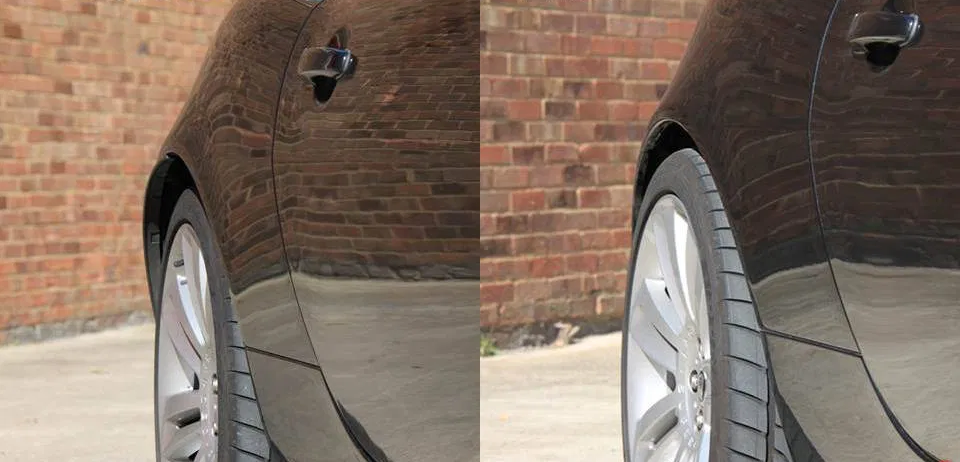
In addition to the technical impact on performance, offset also affects your vehicle's aesthetics. Wheels with a negative ET, for example, create a wider and more aggressive look, while wheels with a positive ET tend to give a more discreet and compact look. Choosing a suitable offset will not only improve your performance, but will also contribute to the overall look of the car.
Conclusion: Why Is Wheel Offset Important?
Wheel offset or ET is an essential parameter that influences both performanceand the vehicle's aesthetics. Choosing the wrong offset can lead to uneven tire wear, instability and even damage to some critical components of the car. That is why it is important to make sure you choose wheels with the correct ET, whether they are new or second-hand.
At our store RIMNOVA, we offer a wide range of new wheels, with the appropriate offsets for each car model, so that you can enjoy safety, performance and an attractive design. Consult our specialists to find the perfect wheels for your vehicle.
