Why Aftermarket Wheels Don't Have the Same Parameters as OEM Wheels
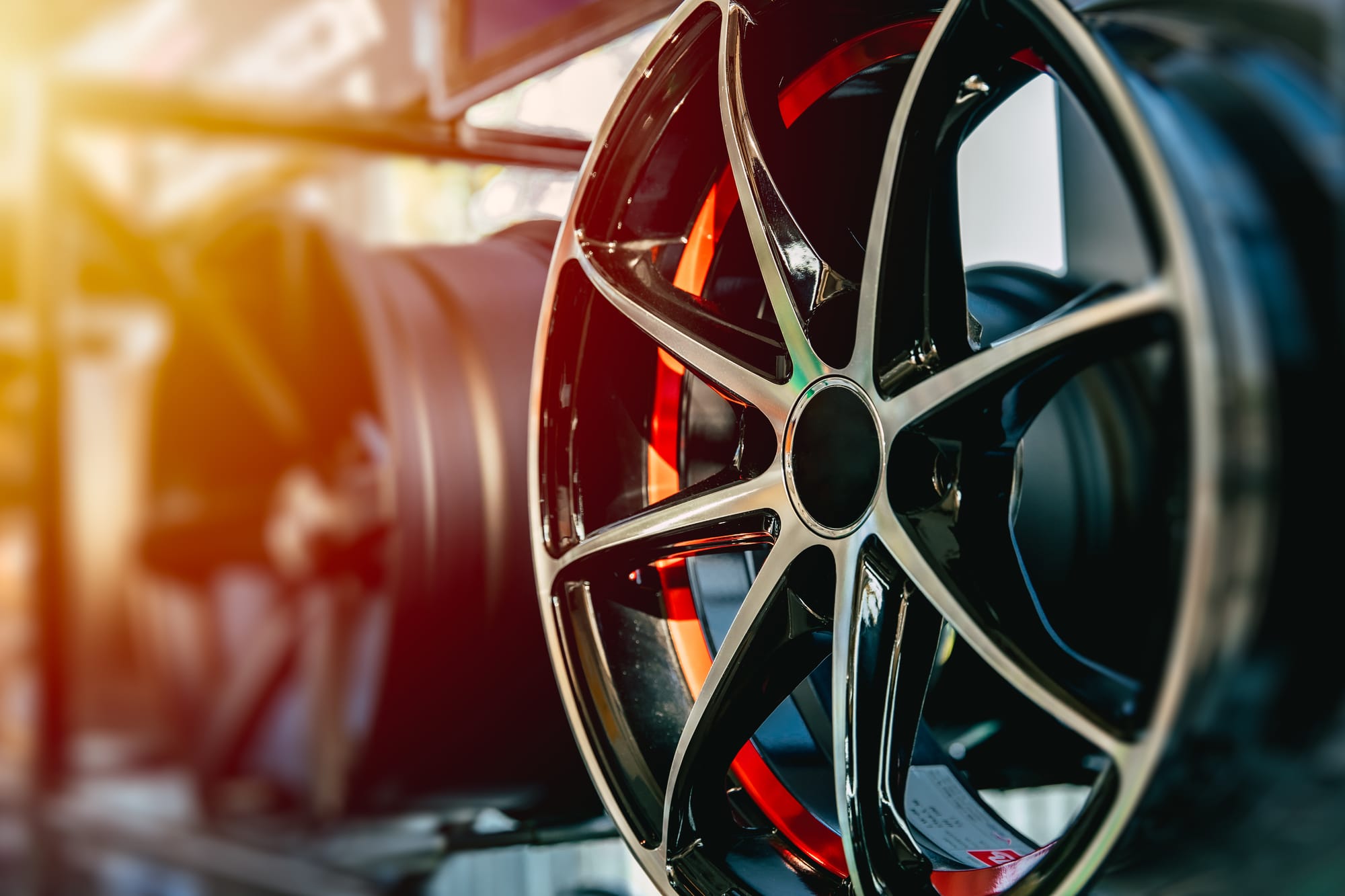
When it's time to change a car's wheels, one question almost inevitably comes up: “But does it have the same parameters as the original?” Many customers obsessively look for exactly the same ET, the same width (J), the same diameter – as if only OEM wheels were the “correct” ones. In reality, though, aftermarket wheels are not only different, but intentionally different, and that's to your advantage.
The philosophy behind OEM vs. Aftermarket wheels
OEM (original) wheels are designed by car manufacturers with a single dominant goal: efficiency. In an industry where every 0.1 L/100 km counts on the spec sheet, all components, including wheels, are optimized to reduce fuel consumption. This means:
- narrower wheels: usually 7J or 7.5J;
- wheels with high ET: ET45, ET50 or even ET55, i.e. seated “deeper” in the body;
- simple design, with no concavity, to reduce weight and turbulence.
The result? Efficient wheels... but with a flat, dulldesign, and a visual position far from the aesthetic ideal.
The advantages of Aftermarket wheels
Aftermarket wheels are built with a different philosophy. Here we're not just talking about economy, but about a balance between aesthetics, performance and safety. That's why they:
- are wider – 8J or 8.5J, which means a larger footprint on the asphalt, better grip and improved cornering behavior;
- have a lower ET – usually between ET30 and ET45, which brings them closer to the edge of the body for a sporty look and an aggressive stance;
- offer concavity, personality and style, tailored to each type of car.
All of this is not a mistake compared to the OEM parameters – they are intentional improvements.
Are Aftermarket wheels compatible?
Yes, and not just “compatible”, but perfectly functional and safe, if chosen correctly.
Aftermarket wheel manufacturers know very well which models their products are intended for. Even if the wheels don't have exactly the same parameters as the OEM ones, they fall within the technical tolerance margins perfectly accepted in the industry.
The original parameters are NOT a fixed rule. They are just a starting configuration. In reality, wheel width (J) and offset (ET) can vary without affecting the comfort, safety or behavior of the car – in fact, they can even improve it.
Why can an 8J ET40 wheel replace, for example, a 7.5J ET55 wheel?
At first glance, the difference between these parameters may seem significant. In reality, however, this configuration is a perfectly compatible and frequently used alternative in the world of Aftermarket wheels. Here's how it works:
- The original 7.5J ET55 wheel is narrower and has a high offset, which means it is positioned deeper inside the body.
- An 8J ET40 wheel is:
- 0.5 inch (≈12.7 mm) wider;
- 15 mm lower ET, i.e. it protrudes more toward the outside.
How does this translate visually and functionally?
The outer edges of the wheel move outward by approximately 13–14 mm compared to the OEM position, offering a sportier stance, while remaining within safe and accepted limits for the suspension geometry.
This change brings real benefits:
- Increased stability, especially in corners;
- Superior aesthetics, with the wheel better aligned with the fender;
- Full technical compatibility, without affecting the bearings, steering or suspension.
So, such a change is not only possible, but also recommended in many cases, when you want a visual and functional upgrade without compromise.
Conclusion
If you want to keep the OEM parameters strictly, you have only one option: buy original wheels, new from a dealership or second-hand from OLX.
But if you want a car that is more beautiful, more stable and sportier, then Aftermarket wheels are the right choice.
Don't try to find exactly the same parameters as OEM in Aftermarket – it makes no sense. Their goal is to improve what comes from the factory. And the differences in J and ET are not errors, but smart optimizations for those who want more from their car.
